
A yard still looks messy after mowing because mowing only trims grass height. It does nothing for ragged edges, weedy bed borders, bare patches, clutter, overgrown shrubs, or the lack of clear lines between lawn, beds, and paving. The eye reads those details first, so a freshly mowed lawn with fuzzy edges and untidy beds still looks neglected.
The fix is a short list of finishing tasks that give the yard definition. Most take an hour or two, and several only need to be done a few times a season. The sections below go through the usual culprits in order of visual impact, with the tools and measurements to do each job.
Edges are the biggest difference-maker
Look along the places where lawn meets a walkway, driveway, or bed. If grass has crept over the pavement or into the mulch, the whole yard looks soft and unfinished. A crisp edge is the quickest improvement you can make.
Methods:
- String trimmer on its side (or the edging mode). Hold the trimmer so the line cuts vertically along the pavement edge. This takes about 15 to 30 minutes for an average yard and needs doing every one to two weeks in growing season.
- Stick edger or powered edger. Cuts a clean vertical line along concrete and paver edges, better than a trimmer for long straight runs.
- Manual half-moon edger. A hand tool that cuts a trench about 2 to 4 inches deep around beds. Slower, but quiet, inexpensive, and gives a sharp result. A trench a few inches deep is shallow work, but call 811 first if you plan to dig deeper to install new edging.
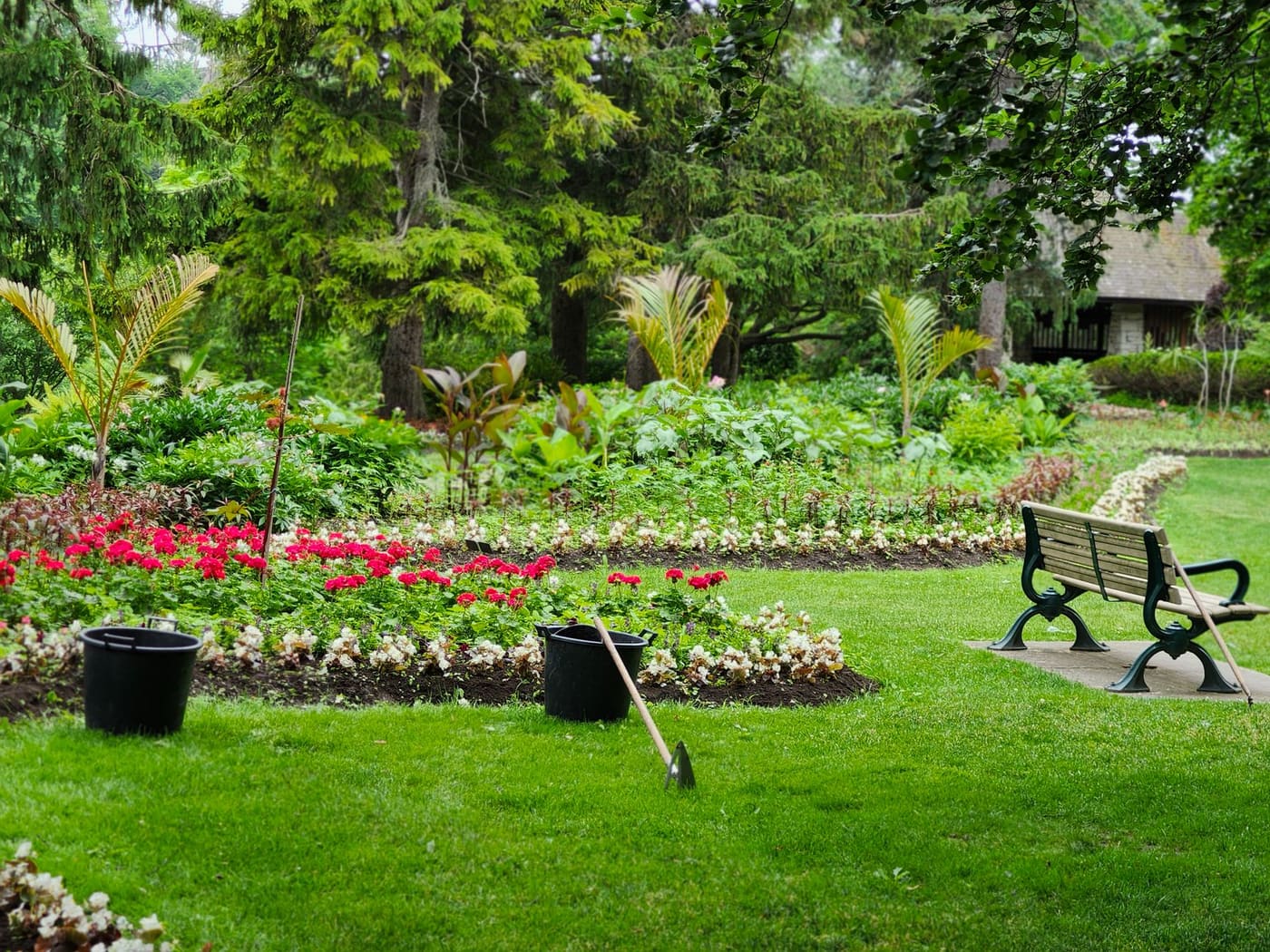
Wear eye protection when trimming, since rocks and debris can be thrown, and closed shoes and ear protection for powered tools. Beyond cutting, a physical edge such as steel, aluminum, or buried stone stops the grass from creeping back, which means less recurring work. See hardscaping projects that help a yard most for edging options.
Beds without definition look like weeds
A bed with no clear shape or fresh mulch reads as untidy even if the plants are fine. Check these items:
- Weeds. Pull them while the soil is damp, and get the roots. Doing 10 minutes after rain is much more effective than a long session in a dry spell. Weeds that have gone to seed multiply the work next year.
- Mulch depth. Spread 2 to 3 inches of shredded bark or chips. Thin, faded mulch shows bare soil and lets weeds sprout. Keep it a few inches away from trunks and stems.
- Bed shape. Smooth, wide curves look deliberate. Wobbly or jagged edges look accidental. A garden hose laid on the ground helps you shape a curve before you cut.
- Dead material. Remove spent flowers, yellowed foliage, and fallen branches. Cut back perennials at the right time for each plant.
Refreshing mulch in spring is among the cheapest ways to improve the look of a yard.
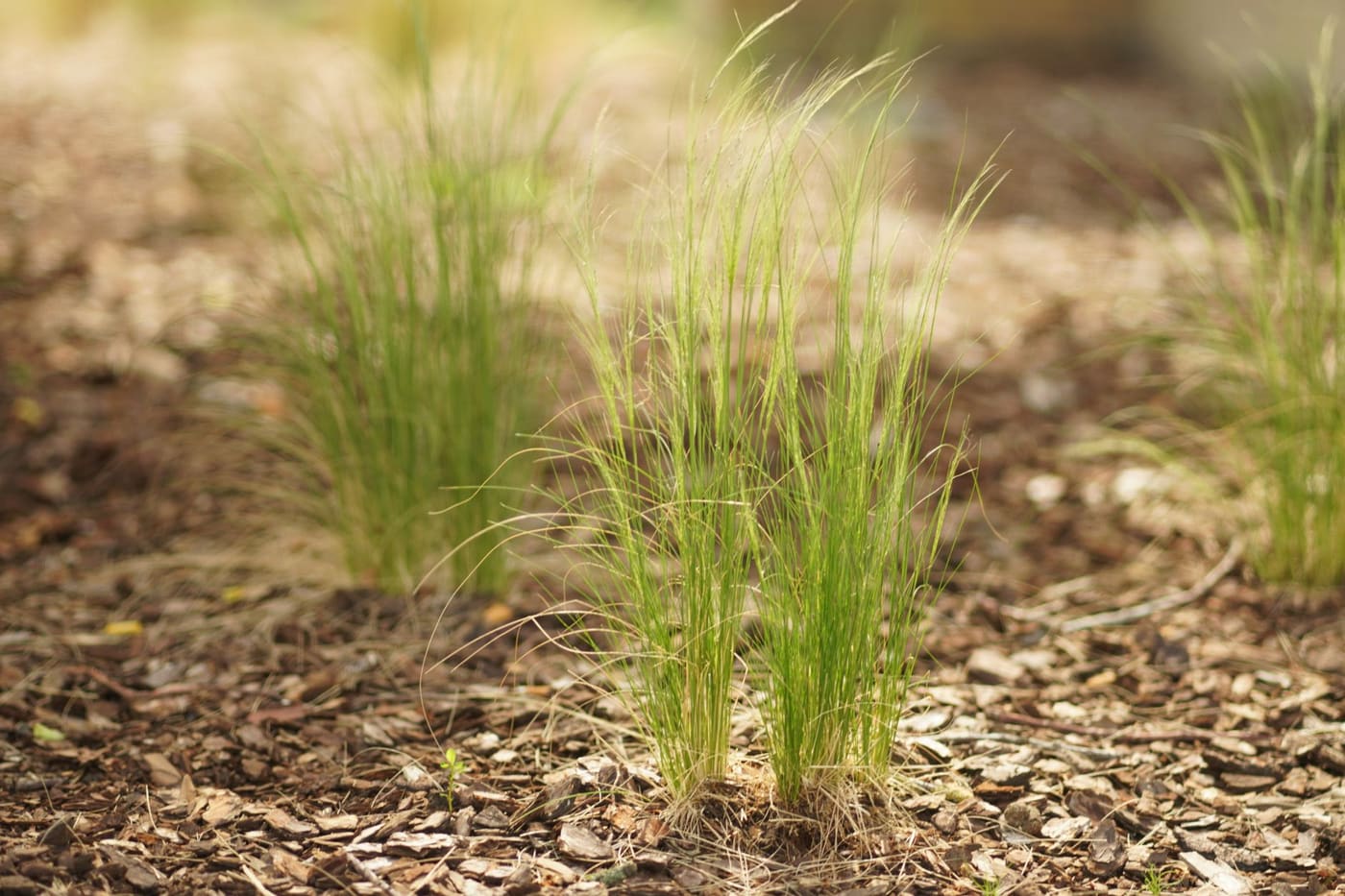
A cubic yard covers roughly 100 square feet at 3 inches deep, and buying in bulk is usually cheaper per cubic foot than bags, though prices vary by region and type.
Overgrown shrubs and plants swallowing the yard
Shrubs that have outgrown their space make a yard look wild. Look at hedges and foundation plantings. If they cover windows, block walkways, or lean over the lawn, they need shaping.
Pruning guidelines that hold up in most cases:
- Prune spring-flowering shrubs such as lilac and forsythia right after they bloom, since they set next year’s buds in summer.
- Prune many summer-flowering shrubs in late winter or early spring before growth starts.
- Shape hedges so the bottom is slightly wider than the top, which lets light reach lower branches and avoids bare bottoms.
- Avoid shearing shrubs into balls if they were not meant to be formal, because it removes flowers and creates a dense shell with a dead interior.
- Remove dead, crossing, and damaged branches at any time.
If a shrub is too big for its spot, replacing it with a smaller variety is often easier than endless pruning. Cutting limbs large enough to need a saw, or anything near power lines, or higher than you can reach from the ground, should go to a licensed, insured arborist. Do not use a ladder for tree work with power tools. Read about choosing plants that actually fit your yard to avoid this problem in the first place.
Patchy, bare, or weedy turf
Mowing a lawn full of bare spots, thin areas, and mixed weeds makes it look uneven even when the height is uniform. Common causes include compacted soil, shade, poor drainage, pet damage, and grub or disease problems.
| Problem | Likely cause | Basic fix |
|---|---|---|
| Thin, patchy areas | Not enough sun, compaction, low fertility | Aerate, overseed in the right season, adjust mowing |
| Bare spots | Pet urine, heavy traffic, grubs | Rake, loosen soil, reseed or sod patch |
| Yellow, uneven color | Nutrient or watering issues | Soil test, adjust feeding and watering |
| Many broadleaf weeds | Thin turf lets weeds in | Spot treat or hand pull, thicken turf |
| Scalped or striped damage | Mower set too low | Raise the deck |
For most cool-season grasses, seeding in early fall is best, and warm-season grasses are usually seeded or sodded in late spring to early summer, but timing depends on your climate and zone, so ask your local extension office. University extension guidance lists roughly 3 to 4 inches for tall and fine fescue and about 2.5 to 3.5 inches for Kentucky bluegrass, and mowing at the taller end of your species’ range helps shade the soil and crowd out weeds. Take off no more than about a third of the blade in one mow. If you use lawn chemicals, read and follow the label exactly, wear gloves, and keep children and pets off treated areas as directed.
Clutter and visual noise
Visual clutter matters as much as plant condition. Hoses on the lawn, toys, trash cans, stacked pots, spare lumber, and old furniture all say “unfinished.” Walk the yard with a critical eye and decide where each item lives.
Easy fixes include:
- A hose reel or hose pot near the spigot.
- A deck box or small shed for cushions, tools, and toys.
- Screening trash and recycling bins with a lattice panel or a row of shrubs.
- Removing or consolidating pots into groups of three or five rather than scattering them.
- Clearing leaves and fallen sticks from beds and walkways each week or two.
Group items by purpose and give them a place, so the yard can be reset in minutes. Mowing is not the same as tidying, and a ten-minute pick-up before you mow often changes the whole impression.
Neglected transitions and hard surfaces
The in-between zones are where yards look worst. Check:
- Cracks in driveways and paths. Weeds in joints can be scraped and the cracks filled with sand or a suitable crack filler. For paver joints, re-sand with polymeric sand once clean.
- Fence lines and the base of walls. Weeds and tall grass at the base are often missed by the mower and trimmer.
- Mailbox, utility meters, and downspout areas. A small ring of mulch or gravel keeps these tidy and reduces trimming.
- Dirty hard surfaces. Moss, algae, and grime make patios and walkways look old. Sweep regularly. A pressure washer can help, but use the lowest effective pressure, as it can erode joints and damage soft wood or stone. Do not use pressure washers on yourself or near electrical outlets, and use a ladder or stand on stable footing when working on wet surfaces. Never mix cleaning chemicals, particularly bleach with ammonia or acids, since the fumes can be dangerous.
For a larger plan to reduce these chores, see keeping a yard looking good with less maintenance.
A quick 90-minute reset routine
If you want to see a visible change in one session, work in this order:
- Pick up clutter and sweep hard surfaces, about 15 minutes.
- Mow, with the deck at the right height and sharp blades, so the cut is clean rather than ragged.
- Trim around fences, trees, and obstacles.
- Edge walks, drives, and beds.
- Weed visible bed areas and deadhead or trim obvious problems.
- Blow or sweep clippings off paving and beds.
- Water any new plantings.
The order matters. Mowing before edging and trimming spreads debris onto clean areas, and a final sweep makes everything look finished. Repeat the routine every week or two in the growing season. If the yard keeps looking awkward even with these chores done, the underlying layout may be the issue, and planning a yard so it works better can help you decide what to change.
To size your mulch order for the beds, use the mulch, soil and gravel calculator.
Where this comes from
This guide is based on university cooperative extension guidance on mowing heights (including the University of Maryland Extension’s ranges by grass type), the one-third mowing rule, and mulch depth, plus the national 811 call-before-you-dig program. The 90-minute routine and the tidy-up advice are common landscaping practice rather than measured results. Mowing ranges, seeding windows and product labels vary by grass type, climate and product, so check them with your local extension office and the label on anything you apply.