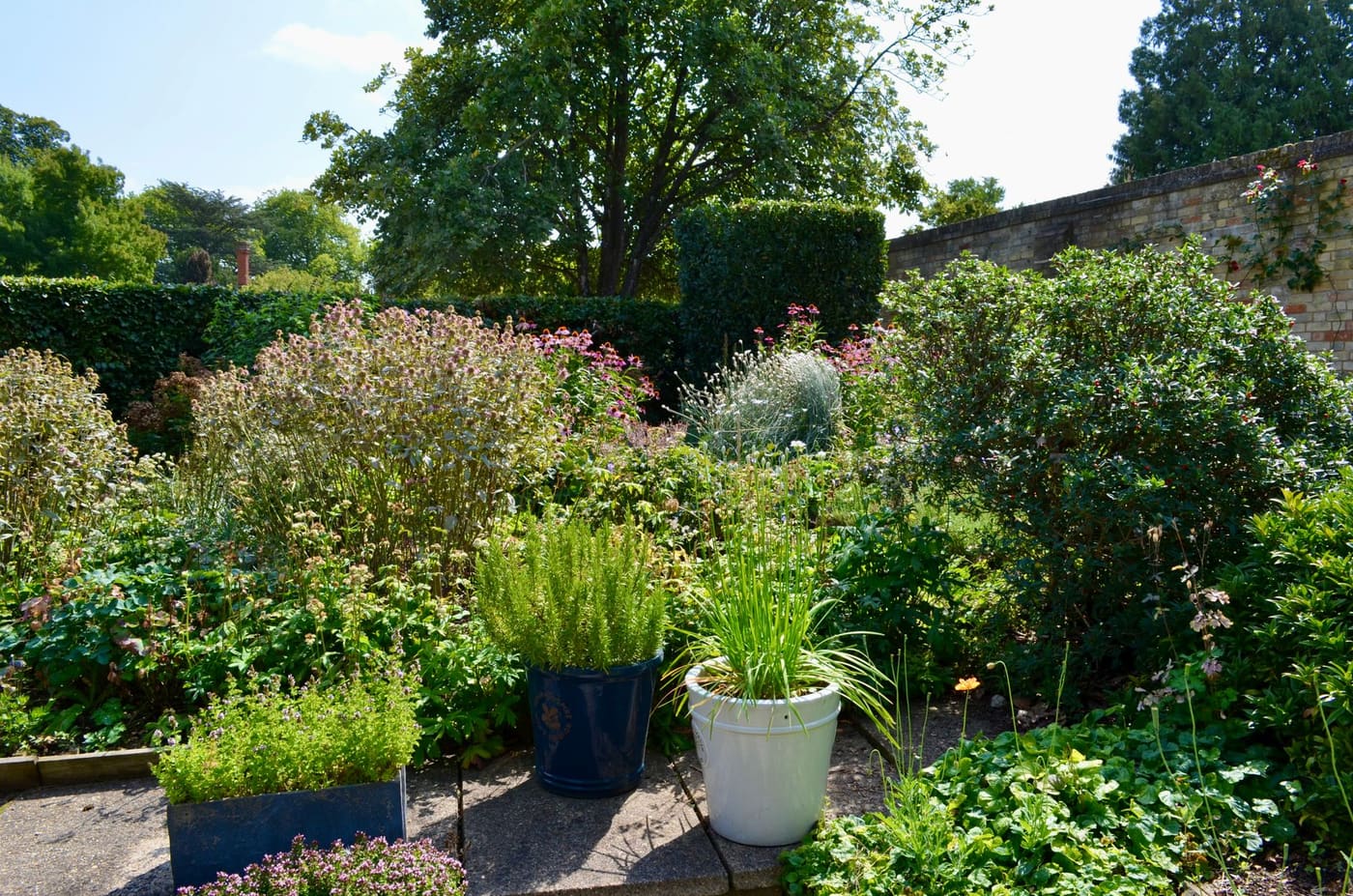
Choose plants by matching them to your yard’s sun, soil, drainage, hardiness zone, and available space, then to how much care you will realistically give them. A plant that suits those conditions will grow with little fuss. A plant that does not will need constant watering, rescue pruning, or replacement, no matter how good it looked at the garden center.
Most failed plantings come from buying on impulse and solving the site problem afterward. The better order is to learn the conditions first, build a short list that fits, and only then pick for color, texture, and style. The steps below walk through that process with the measurements and checks that make it quick.
Start with sun, because it sets everything else
Sun exposure is the first filter. Spend a day watching the planting area and note how many hours of direct light it gets, ideally checking morning, midday, and late afternoon. Plant tags use these rough categories:
| Tag | Direct sun | Typical examples |
|---|---|---|
| Full sun | 6 or more hours | Lavender, coneflower, sedum, most ornamental grasses |
| Part sun / part shade | 4 to 6 hours | Hydrangea, astilbe, many viburnums |
| Shade | Under 4 hours, or dappled | Hosta, ferns, hellebore, sweet woodruff |
Two cautions apply. Afternoon sun is hotter than morning sun, so a bed that gets 5 hours of light from 1 to 6 p.m. is tougher on plants than one lit from 7 a.m. to noon. Also, sun changes with the seasons. A bed under a deciduous tree may be bright in early spring and deeply shaded by midsummer once the leaves are out. Check again if you are planting in spring.
Know your soil and drainage before you buy anything
Soil is the second filter. You do not need a lab to learn the basics.
The squeeze test. Take a handful of moist (not soaked) soil and squeeze it. If it forms a sticky ribbon and stays in a tight clump, it leans clay. If it falls apart immediately and feels gritty, it leans sandy. If it holds together loosely and crumbles when poked, you have something close to loam.
The drainage test. Dig a hole about 12 inches deep and wide, fill it with water, let it drain, then fill it again. Measure how fast the second fill drops. Water that drains at around an inch an hour or a little faster is a workable range for most plants. Much slower means heavy, wet soil where many plants rot. Much faster means a dry site that needs drought-tolerant choices.
A basic soil test through a local cooperative extension office usually costs little, from a few dollars for pH alone to around $30 for a fuller nutrient analysis, depending on the state. Extension guidance puts the comfortable pH range for most turf and ornamentals at roughly 6.0 to 7.5, while acid lovers such as azaleas, camellias, gardenias, and blueberries want it far lower, around 4.5 to 5.5. Several of these plants (azaleas, rhododendrons, and hydrangeas among them) are toxic to pets if eaten, so check each plant if dogs or cats use the yard. Knowing your pH saves you from buying a plant your soil will slowly starve.
Match the plant to the wet or dry reality
If water sits after rain, choose plants that tolerate it, such as native sedges, swamp milkweed, or certain dogwoods and winterberry hollies, instead of amending the soil heavily to suit a plant that wants dry feet. If the site is dry and sandy, look to lavender, yarrow, sedum, and many native prairie plants. Working with the site is cheaper and lasts longer than fighting it.
Check your hardiness zone and your local climate
Climate and zone matter more than any style choice. The USDA hardiness zone map divides the country into zones based on the average annual extreme minimum winter temperature, in 10-degree Fahrenheit bands (each split into two 5-degree halves). A plant rated for zones 4 to 8 should survive winters in that range. Find your zone by entering your ZIP code in the USDA lookup, and treat it as a floor for cold tolerance, not a complete picture.
Zone ignores several things that kill plants:
- Summer heat and humidity. Some plants rated for your cold zone still struggle in long humid summers.
- Wind exposure. Evergreens on an open, windy site can brown from winter desiccation.
- Microclimates. The south side of a house, near a brick wall, can run a zone warmer. A low spot can collect cold air and frost.
- Rainfall. A plant that wants steady moisture will fail in a dry climate without irrigation.
Local nurseries and extension offices are good sources for plants that perform well in your specific region. Native plants are often a safe bet because they evolved with your rainfall and soil, though “native” varies a lot by region, so look for plants native to your area rather than just to the country.
Plan for mature size, not nursery size
The most common landscaping regret is planting a small shrub too close to a house, walkway, or another plant. Always read the mature height and width on the tag, and plan spacing to the width, not the pot.
A few working rules:
- Keep foundation shrubs at least half of their mature width away from the wall, so a 6-foot-wide shrub goes at least 3 feet out. This leaves room for airflow and for you to reach the wall.
- Space shrubs of the same kind by about their mature width for a mature look, or slightly closer if you want a quicker, denser hedge and are willing to thin later.
- Do not plant trees under power lines, close to septic systems, or near the house foundation without checking mature height and root habits first. In the US, call 811 before digging anywhere you plan to place a tree or large shrub. The free service marks buried lines, and the notice period is set by state law, often two or three working days, so call several days ahead and confirm the rule for your state.
- Account for sight lines. A shrub that reaches 8 feet at a driveway corner can block visibility of the street.
Young plants look sparse, which tempts people to crowd them. Fill the gaps temporarily with annuals or inexpensive perennials, and leave the spacing alone.
Decide how much care you will actually give
Be honest about your time. Plants differ sharply in how often they demand attention:
- Low demand: Evergreen shrubs that keep their shape, ornamental grasses cut back once a year, sedum, daylily (toxic to cats if any part is chewed), and most native perennials once established.
- Medium demand: Roses that are bred for disease resistance, hydrangeas that need seasonal pruning, perennials that need dividing every few years.
- High demand: Annual displays replanted each season, trained hedges that need shearing several times a year, vegetable gardens, and plants that need staking or deadheading to look decent.
Also consider how much watering you will do. Most new plantings need regular water for the first one to two growing seasons while roots establish, often a deep soak a couple of times per week in dry weather rather than a daily sprinkle. After that, drought-tolerant plants can usually fend for themselves. If you will not water, either choose plants known for drought tolerance or install drip irrigation, which delivers water at the roots where it counts and is a modest cost for a small bed. The article on keeping a yard looking good with less maintenance goes further on cutting recurring work.
Build the bed in layers and groups
Once the list is filtered, design the planting so it looks intentional.
Plant in odd-numbered groups. Drifts of three or five of one plant look calmer than single specimens scattered around. Repeating a few plants beats using one of everything.
Layer by height. Put taller plants at the back or center of a bed, medium ones in front of them, and low plants along the edge. In an island bed, taller plants go in the middle.
Mix seasons of interest. Combine spring bulbs, summer perennials, fall-coloring shrubs, and an evergreen or two so the bed does not go blank for part of the year.
Use evergreens as the backbone. Give a foundation or border a good share of evergreen or winter-interest plants, so the bed holds up in January.
Plant costs swing widely with plant size and region, so price your short list at a local nursery before committing, and remember mulch and soil amendments on top. Buy from a local nursery when you can, because they tend to stock what grows in your area.
Plant them correctly so the choice pays off
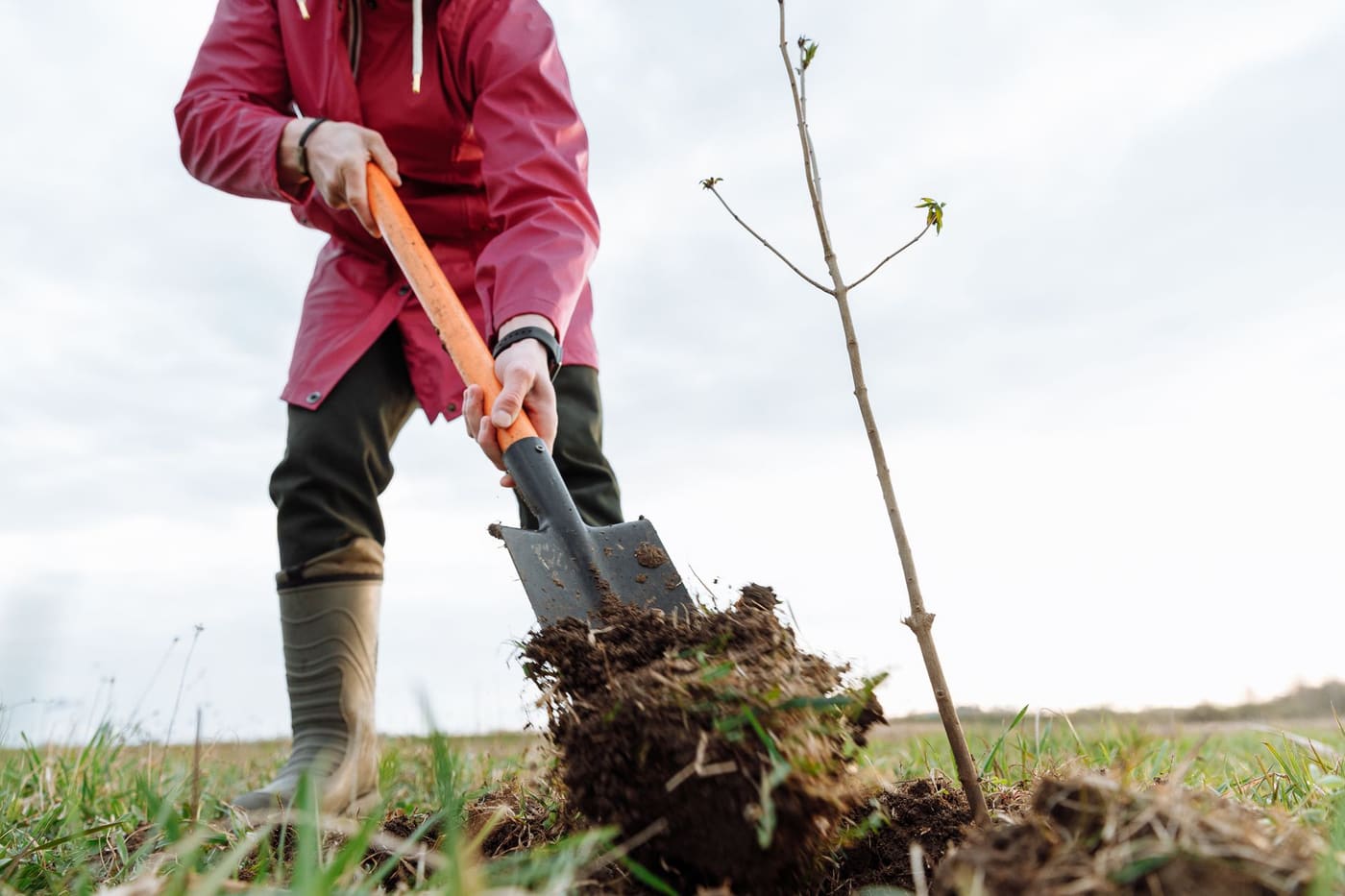
Even a perfect plant fails if it is planted badly. Dig a hole as deep as the root ball and two to three times as wide. Set the top of the root ball level with, or very slightly above, the surrounding soil, never below it. Loosen circling roots with your fingers, backfill with the native soil you removed, and water thoroughly. Apply 2 to 3 inches of mulch, keeping it a few inches back from stems and trunks so it does not sit against the bark and invite rot.
Early spring and fall are the easiest planting seasons in most climates because cooler weather lets roots grow before heat stress arrives. Container plants can be installed in summer if you can water them often.
For layout questions that sit above the plant list, such as where beds should go and how they connect to paths and seating, read how to plan a yard so it works better. If privacy is the goal, the article on what to plant along a fence for privacy applies these same rules to a specific job.
Where this comes from
This guide draws on the USDA Plant Hardiness Zone Map and its description of how zones are set, university cooperative extension guidance on soil pH and soil testing (including state extension offices in Georgia, Pennsylvania and New York), and the national 811 call-before-you-dig program. Spacing and planting steps reflect common extension planting advice. Prices, test fees and notice periods change and differ by state, so check them with your local extension office and state 811 center.