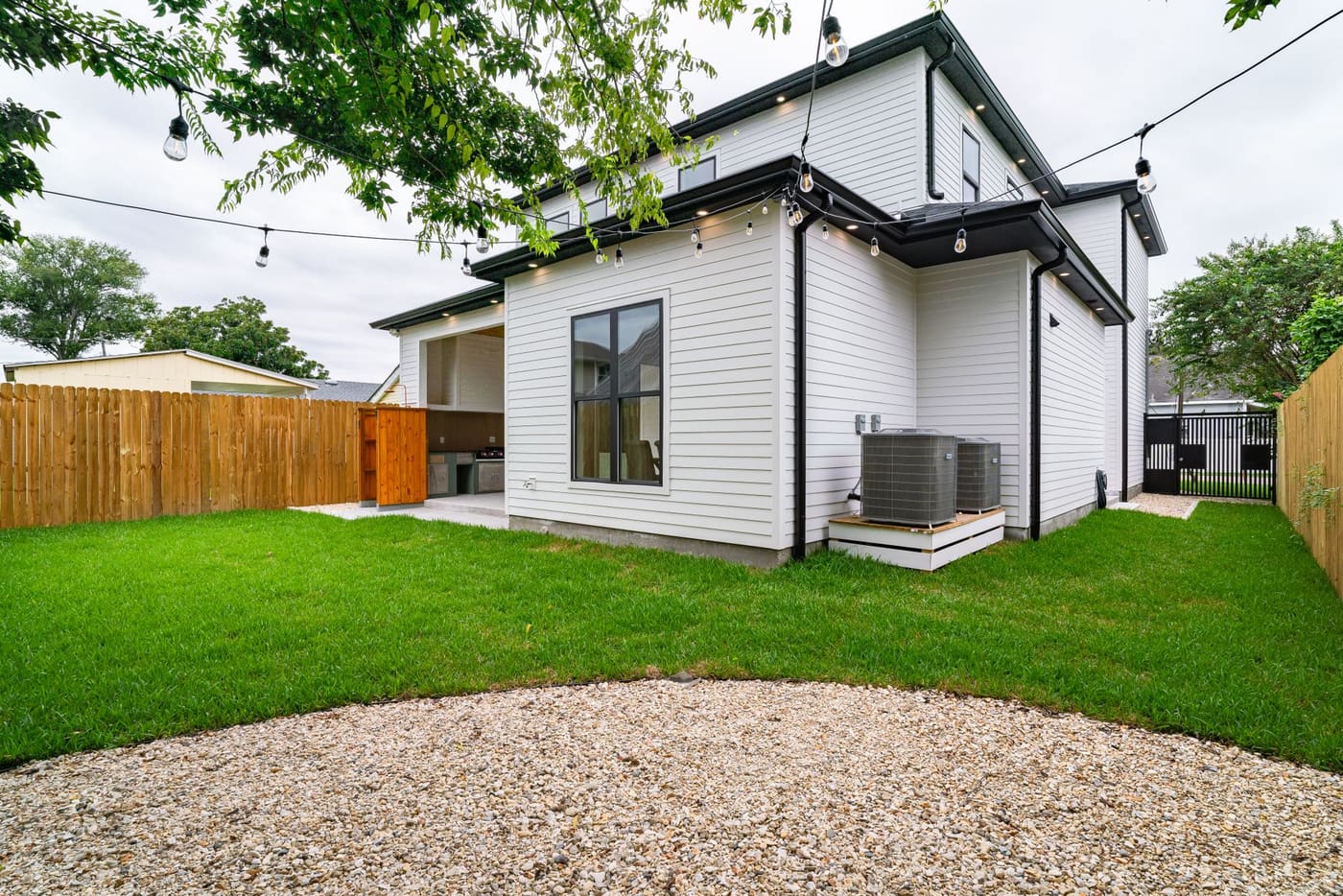
You keep a yard looking good with less maintenance by cutting the tasks that repeat most often: shrink the mowing area, mulch and edge beds so weeds stay down, replace fussy plants with durable ones, and put hard edges where grass meets everything else. Upkeep is mostly a design problem. A yard full of tight corners, thirsty plants, and bare soil will always demand weekends, no matter how disciplined you are.
The goal is not zero work, because no living landscape is maintenance-free. It is a yard where a couple of hours every week or two keeps things sharp, with a few larger jobs spread across the seasons. The sections below start with where your time actually goes and then cover the changes that remove the most work per dollar.
Find out where your time goes
Before changing anything, list your recurring chores for a month. Most yards break down like this:
- Mowing and trimming: Often the largest block, usually weekly in peak growth.
- Weeding: Concentrated in beds with bare soil and in gravel or paver cracks.
- Watering: Hand watering of pots, new plants, and thirsty beds.
- Pruning and cleanup: Hedges, spent flowers, fallen leaves, and storm debris.
- Fussy specialty areas: A vegetable bed, annual display, or rose collection.
Mark the one or two items that eat the most hours or that you dread most. That is where to start. People often discover that one small, awkward bed or one steep patch of lawn consumes more time than the rest of the yard combined.
Shrink the lawn where it does not earn its keep
Turf is the biggest recurring commitment in most yards. A lawn needs mowing about every 5 to 7 days in active growth, plus edging, feeding, and often irrigation. Reducing its footprint is the single biggest time saver.
Good places to remove grass:
- Narrow strips and odd corners. Any patch too narrow for a mower deck to pass through comfortably is a candidate for mulched beds or groundcover.
- Steep slopes. Mowing a slope is slow and unsafe. Replace it with groundcover, shrubs, or terracing, and check slope conditions before running a mower on anything steep.
- Deep shade. Grass in dense shade thins and gets patchy. Shade-tolerant groundcover or mulch works better.
- Under trees. Roots compete with turf, and mowing around trunks risks bark damage.
To convert lawn to a bed, cut the turf out with a flat spade or smother it. For smothering, mow low, lay overlapping cardboard (no glossy or taped sections), wet it, and cover it with 3 to 4 inches of mulch. It usually takes a few months before the grass underneath is dead and you can plant. Sod removal can also be hired out; get local quotes, since the price depends on region and access. If you cut turf out by hand, call 811 first when you plan to dig deeper than a surface scrape.
If you want to keep a lawn, keep it simple and rectangular, with gentle curves that a mower can follow without constant backing up. Mow at the right height for your grass type. University extension guidance lists roughly 3 to 4 inches for tall fescue and fine fescue and about 2.5 to 3.5 inches for Kentucky bluegrass, and warm-season grasses are kept shorter, so check the range for your species and climate. Remove no more than about a third of the blade at once, and leave clippings on the lawn to return nutrients and cut the chore of bagging.
Mulch and edge every bed
Bare soil grows weeds, and a bed with no clear edge lets lawn creep in. Two simple habits fix most of this.
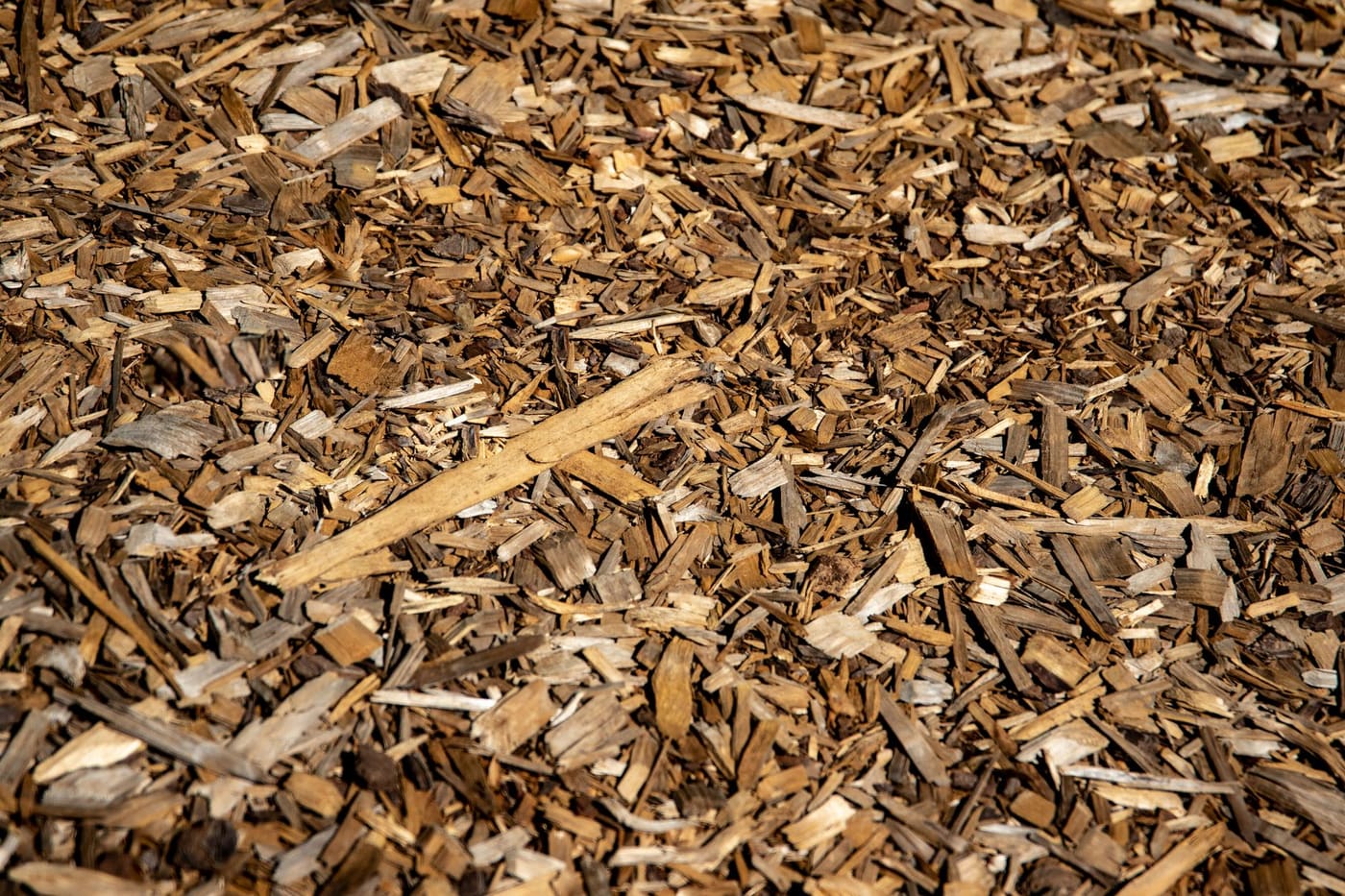
Mulch at 2 to 3 inches deep. Shredded bark, wood chips, or pine straw block light from weed seeds and slow evaporation. Keep mulch a few inches away from stems and trunks, and avoid piling it into “volcanoes” around trees, which holds moisture against the bark. A cubic yard of mulch covers roughly 100 square feet at 3 inches deep, and buying in bulk from a local landscape supplier is usually cheaper per cubic foot than bags, though prices vary by region. Top it up every year or two as it breaks down.
Install a real edge. A freshly cut trench edge looks good but needs recutting several times a season. Steel, aluminum, or heavy-duty plastic edging set flush with the soil stops grass from spreading into beds. Brick or stone set in a shallow trench also works and doubles as a mowing strip, so one wheel of the mower rides on it. Edging prices vary by material, so compare a few before buying.
Underneath mulch, use landscape fabric sparingly. It can help on gravel paths, but in planting beds it tends to get buried and tangled with roots over time. A thick layer of mulch does most of the same work.
Choose plants that look after themselves
Plant choice decides whether a bed takes 10 minutes or 2 hours a week. Prioritize plants that:
- Stay the size you planted them for. Constant shearing of oversized shrubs is a common hidden chore.
- Do not need staking, deadheading, or division every season.
- Are hardy in your zone and handle your local rainfall without supplemental water once established. Climate decides which plants count as low effort, so a plant that is easy in one region can be fussy in another.
- Resist the pests and diseases common in your region.
Reliable low-demand categories include evergreen shrubs with a natural shape, ornamental grasses cut back once in late winter, sedum, daylily (toxic to cats if any part is chewed), native perennials suited to your climate, and groundcovers that fill in and shade out weeds. Fewer species planted in larger groups looks neater and is easier to maintain than a mixed collection of single plants. For a full method, see how to choose plants that actually fit your yard.
Be wary of aggressive spreaders sold as “fast and easy.” Some mints, certain ivies, and bamboo types can take over a bed or a neighbor’s yard. Ask a local nursery which groundcovers behave in your area.
Handle water efficiently
Hand watering with a hose is a time sink. Replace it with:
- Drip irrigation or soaker lines in beds. These deliver water slowly at the roots and cut evaporation. Kits are a modest cost for a small yard when you install them yourself, and shallow lines still call for an 811 call if you will dig trenches.
- A simple timer. A hose-end or faucet timer is inexpensive and removes the “I forgot” problem.
- Deep, infrequent watering. Once plants are established, soaking deeply once or twice a week encourages deeper roots better than short daily sprinkles.
Group plants with similar water needs together so one zone is not drowned to keep another alive. Pots dry out fastest, so limit them to a few large containers, which hold moisture longer than small ones.
If you use an automatic sprinkler system, have it checked each spring for broken heads and misaligned spray, because leaks and overspray waste water and drown the wrong areas. In regions that freeze, systems need to be winterized before the first hard freeze, and electrical or backflow work is a job for a licensed irrigation professional.
Use hardscape to replace high-effort ground
Hard surfaces do not need mowing, feeding, or watering. Swapping a hard-to-maintain patch for a patio, gravel area, or path cuts work permanently. A small gravel or paver seating area, a stepping-stone path across a worn route, or a mulched play area can replace a muddy, patchy stretch of lawn. Gravel and pavers still collect weeds in the joints, so use a compacted base and polymeric sand or a weed barrier suited to the material, and expect an occasional pass with a weeder. For project ideas and rough costs, read about hardscaping projects that help a yard most.
Build a simple seasonal routine
Even a low-maintenance yard needs a plan. A short checklist keeps it from turning into a backlog:
| Season | Core tasks |
|---|---|
| Early spring | Cut back grasses and perennials, refresh mulch, check irrigation, re-edge beds |
| Late spring | Plant, spot-weed while weeds are small, set mowing height |
| Summer | Mow, deep water as needed, pull weeds before they set seed |
| Fall | Clean up leaves, plant shrubs and trees, cut back disease-prone foliage |
| Winter | Prune dormant shrubs where appropriate, service tools, plan changes |
Weeding for 10 minutes while the soil is damp after rain is much faster than a long session in July. Pull weeds before they flower, since each seed head can drop hundreds of seeds that cause work for years.
Sharpen mower blades once or twice a season, because dull blades tear grass and leave it looking ragged and frayed at the tips. A clean, crisp finish lasts longer between mows. If your yard still looks untidy despite regular mowing, the problem is often definition rather than effort, which is covered in the article on why a yard can look messy even after mowing.
When to hire help
Some jobs are not worth doing yourself. Large tree pruning, removal of limbs near power lines, stump work, and anything that requires a ladder above a safe height should go to a licensed, insured arborist. Irrigation tied into house plumbing, drainage regrading near foundations, and retaining walls above roughly 3 to 4 feet may need professional design or a permit, and rules vary by location. A recurring lawn service can be worth it if time is the real constraint; get a few local quotes to compare.
To work out how much mulch you need, try the mulch, soil and gravel calculator.
Where this comes from
This guide is based on university cooperative extension guidance on mowing heights (including the University of Maryland Extension’s recommended ranges), the one-third mowing rule, and mulch depth and placement around trees and shrubs, plus the national 811 call-before-you-dig program. Chore lists and routines are common landscaping practice rather than measured results. Prices, mowing ranges for your grass type and local permit rules change by region, so check them with your local extension office and building department.