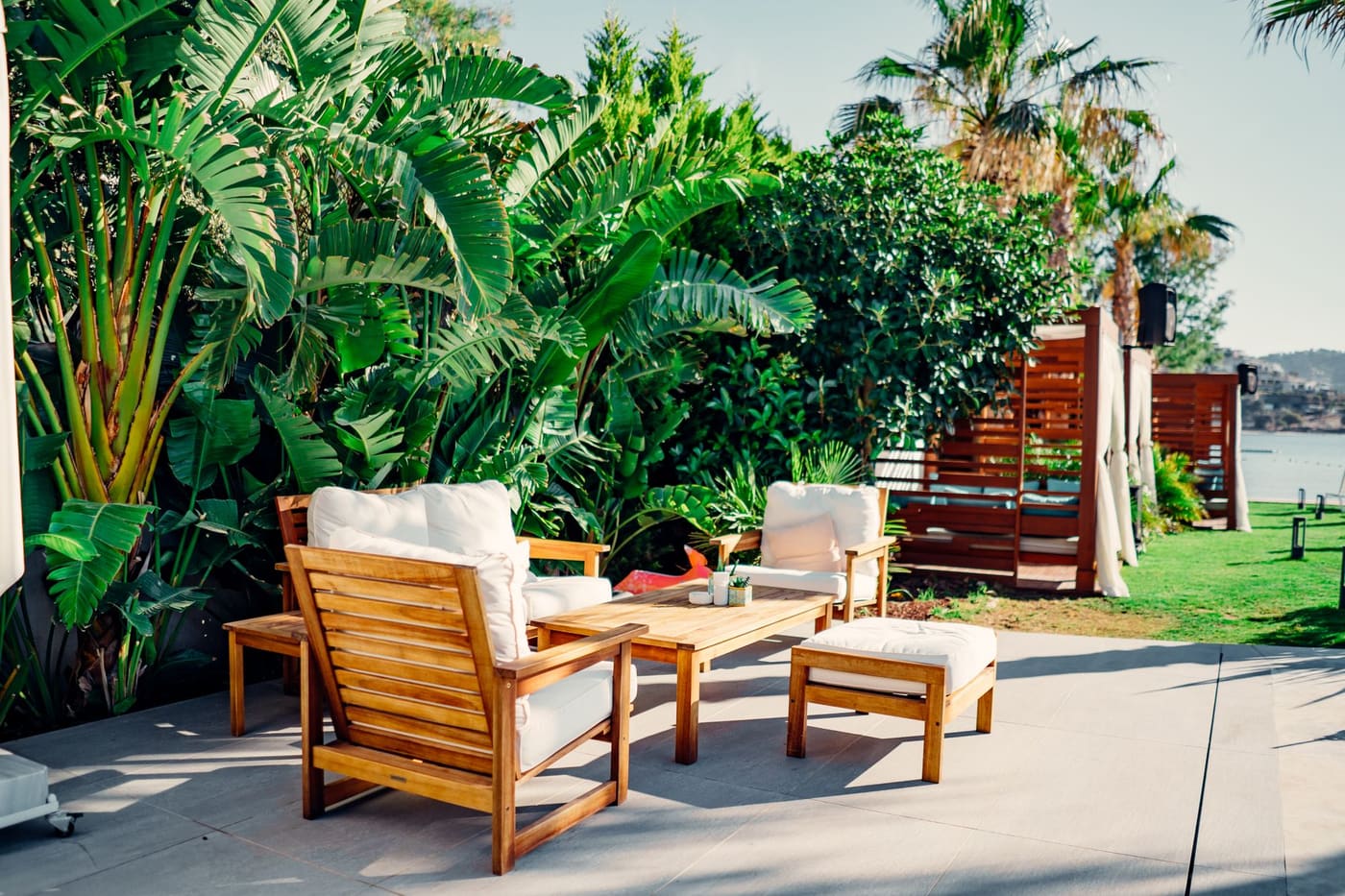
An outdoor space feels inviting when it is comfortable to sit in, easy to reach from the house, shaded where needed, private enough to relax, and lit well after dark. Appearance matters less than most people expect. A plain patio with a good chair, shade, and soft evening light gets used more than a beautiful yard where it is hot, exposed, or awkward to step into.
The fixes below are ordered roughly by how much difference they make per dollar. You can do many of them in a weekend, and you do not need to redesign the yard to see a change.
Find out why you avoid the space
Before buying anything, spend a few days noticing what keeps you indoors. Common reasons include:
- Too hot or too bright in the afternoon.
- Nowhere comfortable to sit, or furniture that is too low, hard, or wobbly.
- Neighbors can see directly into the space.
- Bugs, noise, or wind.
- Dark and uninviting after sunset.
- The surface is uneven, muddy, or hard to walk on.
- It feels disconnected, like a separate lot rather than an extension of the house.
Write down your top two. Solving them will do more than adding decoration, and the answers tell you which of the sections below to start with.
Make a comfortable place to sit
Seating is the core of the space. A few checks make the difference between a spot you use daily and one that sits empty:
- Seat height and depth. Dining chairs sit roughly 17 to 19 inches high. Lounge seating is lower and deeper, with seat depths of about 20 to 24 inches. Try them before buying, because online photos hide proportions.
- Back support and cushions. Cushions with quick-dry foam and outdoor-rated fabric are worth the extra cost over indoor-style fill. Store them in a deck box when it rains.
- Layout. Arrange seating to face each other at a conversation distance of about 6 to 8 feet, not lined up in a row facing the lawn.
- Table placement. A small side table within arm’s reach of each chair makes a big difference for drinks and phones.
Furniture materials differ in upkeep. Powder-coated aluminum is light and rust-resistant. Teak and other dense hardwoods last for years with little care but cost more. Steel is sturdy but can rust where the finish chips. Resin wicker (synthetic) holds up outdoors better than natural wicker. Pick based on how much storage and care you will realistically provide.
Add shade you control
Shade is often the thing that turns an unusable afternoon patio into a pleasant one. Options run from simple to permanent:
| Option | Relative cost | Notes |
|---|---|---|
| Patio umbrella with a heavy base | Low | Fast, flexible, easy to tilt and store |
| Shade sail | Low to moderate | Needs strong, properly anchored posts or attachment points |
| Pergola with fabric or slats | High | May need a permit, footings, and proper post anchoring |
| Shade tree | Low, plus years of growth | Long-term payoff; place it away from the foundation |
| Retractable awning | Moderate to high | Attaches to the house, so mounting should be done correctly |
Prices vary a great deal by size, material and region, so get local quotes. If you plant a shade tree or dig post footings, call 811 a few days before digging so buried lines are marked.
Anchoring matters. Wind can turn an umbrella or sail into a hazard, so use a base rated for the canopy size and take shades down in storms. Attaching anything heavy to a house wall should be done into structural framing, and many pergolas and awnings need permits depending on size and local rules, so check with your building department. If you are unsure about structural attachment, hire a licensed contractor.
Create privacy and enclosure
People relax when they feel sheltered. A space that is wide open to the street or to neighbors’ windows feels exposed even if no one is looking. You do not need a tall wall. A feeling of enclosure comes from partial screens placed where sight lines cross the seating area.
- Planters and tall grasses. A row of large containers with upright plants can screen a patio edge within a season.
- Trellis panels with vines. Often a modest cost for panels, with vines covering them in one or two growing seasons.
- Outdoor curtains or slatted screens. These can be moved and taken in off-season.
- Hedges or shrubs along a fence. Slower, but low maintenance once established. The guide to what to plant along a fence for privacy and less upkeep goes through specific choices.
Walk out to your seating spot and look at where eyes can land from the neighbor’s windows, then block those exact lines instead of fencing the entire yard. Check local height limits for fences and screens, because many places restrict heights in front yards or near property lines.
Fix the surface and the walk to it
If the ground is uneven, muddy, or hard to cross, people stay inside. A solid, level surface under the furniture makes seating stable and safe. Compacted gravel, pavers set on a compacted base, or a deck are common choices. A small patio of about 10 by 10 feet is a realistic first project, and a gravel pad with edging is the lower-cost route. Get a few local quotes if you hire it out.
Connect the space to the house with a clear path of at least 3 feet wide and a level threshold at the door. Even a short run of stepping stones across a muddy patch removes a daily annoyance. The article on hardscaping projects that help a yard most explains base preparation and material options. Raised decks or steps above about 30 inches generally require railings and may need permits, so check local rules before building.
Add lighting, warmth, and sound
Evening is when many people have time to use the yard. Lighting is also a safety feature.
- Light the path and steps first. Low-voltage or solar path lights placed every 6 to 8 feet show the way and prevent trips.
- Use warm light. Bulbs labeled around 2700K look soft and inviting, while cooler, bluer light feels harsh outdoors.
- Layer sources. String lights overhead, a lantern on the table, and a spotlight on a tree look better than one bright floodlight.
- Keep brightness low. Outdoor lighting that glares into the seating area makes people squint and attracts more insects.
Low-voltage and solar lights are suitable for homeowners. Wiring for 120-volt fixtures, outlets, or hot tubs should be done by a licensed electrician, and exterior outlets should be GFCI-protected.
For warmth, a fire pit or a patio heater extends the season, but follow local fire rules, keep it a safe distance from the house, structures, and overhanging branches (check the manufacturer’s clearance guidance), and never leave flames unattended. A small water feature or wind chimes can mask road noise, though too many sound sources become clutter.
Use plants and details for softness
Plants soften hard surfaces and make a space feel alive. Containers near seating bring color to eye level without a full bed. Use plants with scent near seats, such as lavender, herbs, or jasmine where hardy, so the fragrance is noticed. Which plants thrive depends on your hardiness zone and local climate, so check zone ratings and ask a local nursery. Pay attention to biting insects, which can ruin an evening: the CDC advises emptying and scrubbing containers that hold water at least weekly, since mosquito eggs stick to the sides. A fan also helps, since a steady breeze discourages flying insects around a seating area.
Finish with a few personal touches such as an outdoor rug, throw pillows, and a couple of large pots. Keep them to a short list of colors so the space looks planned. If you are working with a small footprint, see making a small yard feel more usable for layout checks that prevent clutter.
Where this comes from
This guide relies on the CDC’s home mosquito-control advice on standing water, general building-code practice for guards on raised surfaces (commonly required where a walking surface is more than 30 inches above grade) and for GFCI-protected outdoor outlets, and the national 811 call-before-you-dig program. Seat heights, spacing and lighting temperatures are common design rules of thumb, not tested results. Permit rules, prices and clearance distances vary by location and product, so check them with your building department and the manufacturer’s instructions.